How to Help a Stroke Patient: Practical Advice for Family and Loved Ones
Stroke (Cerebrovascular Accident, CVA) does not only affect the patient but also their family. Loved ones often find themselves in a new situation filled with questions, concerns, and uncertainty. One of the most common questions is: How can we help?
The good news is that family support plays a very important role in the recovery process. Mental well-being, motivation, and regular rehabilitation can significantly influence the return of functions.
Patience is key
After a stroke, patients may experience frustration due to limitations, fatigue, or mood changes. Activities that were once simple may suddenly feel difficult.
Patience is essential. Progress is often gradual and not always consistent.
Supporting independence
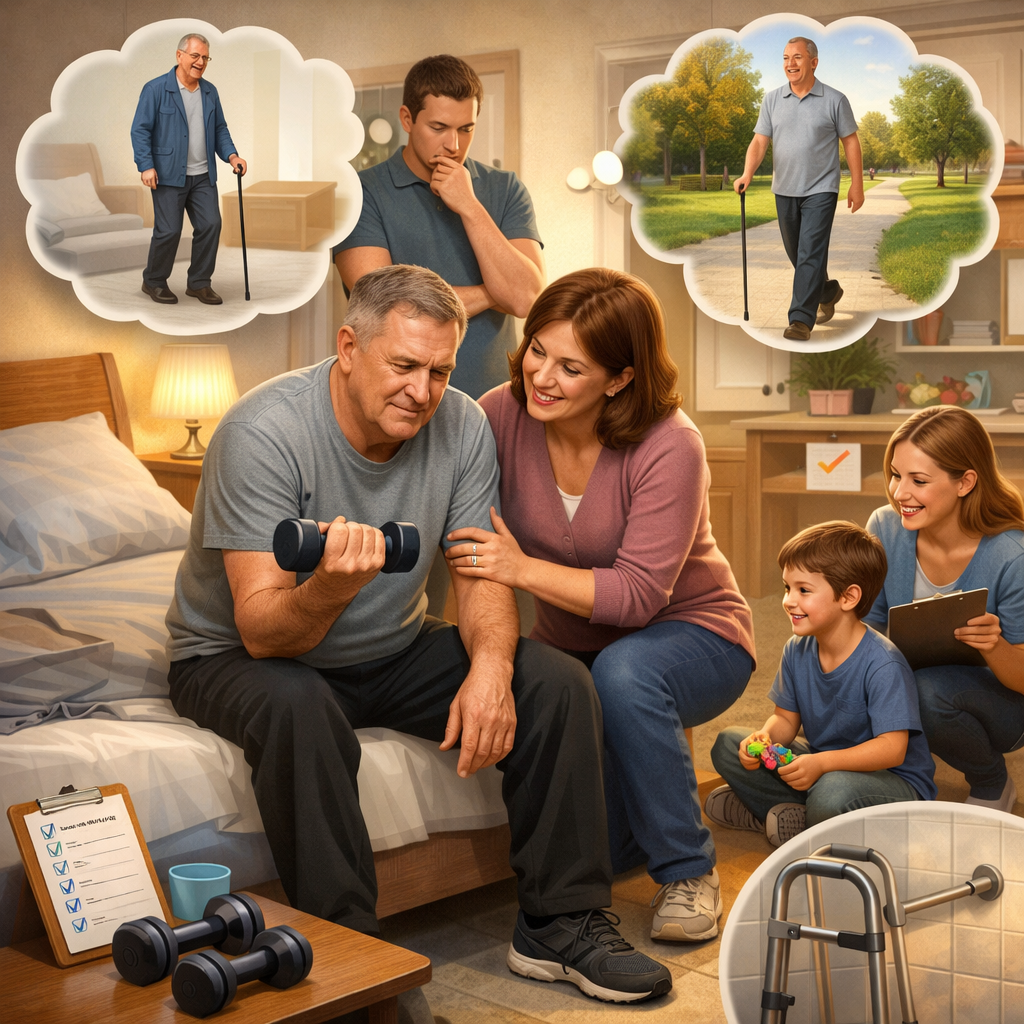
Although it is natural to want to help, it is important to encourage the patient’s independence. Simple activities such as dressing, eating, or walking stimulate the brain and support recovery.
Help should be appropriate — not taking over all activities completely.
Motivation and encouragement
Motivation has a significant impact on rehabilitation. Encouragement and positive feedback help patients continue exercising even during challenging periods.
Setting small goals can be very effective.
Rehabilitation at home
Rehabilitation does not end after leaving a rehabilitation center. Home exercises are often crucial for further progress.
Family members can help by:
- reminding the patient to exercise
- assisting with movements
- creating a safe environment
Psychological support
Depression or anxiety are relatively common after a stroke. Patients may experience fear of the future or a loss of control.
Conversations, understanding, and emotional support are very important. In some cases, a psychologist may help.
A safe home environment
Adjusting the home can reduce the risk of falls:
- removing obstacles
- using non-slip mats
- installing bathroom handrails
- ensuring adequate lighting
A safe environment increases the patient’s confidence.
Supporting brain recovery
The brain has the ability to adapt and form new neural connections. This process can be supported by rehabilitation, mental stimulation, and a healthy lifestyle.
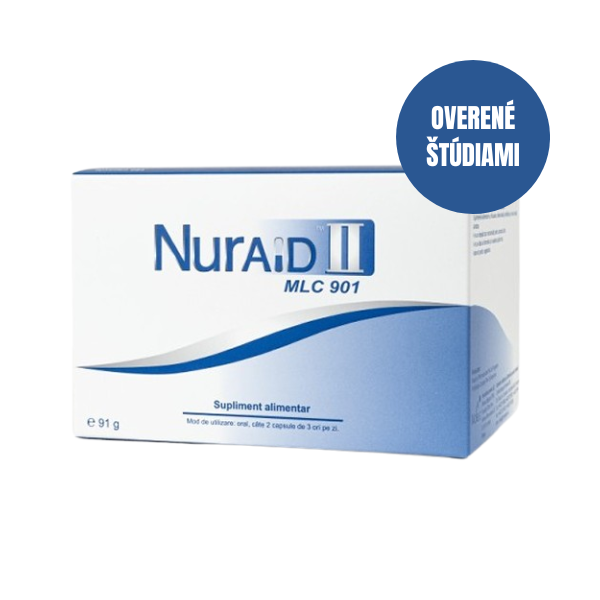
Modern research also focuses on supporting nervous system recovery. NurAiD II™ is among clinically studied products aimed at supporting brain recovery after neurological damage, including stroke. It is used as a supplement to rehabilitation and treatment recommended by a physician.
Don’t forget about yourself
Caring for a patient can be demanding. Family members should not neglect their own health and rest.
Support from other family members or professionals can reduce the burden.
Hope and progress
Although the journey may be challenging, many patients experience gradual improvement. Family support is one of the most important factors for success.