Blog

List of articles

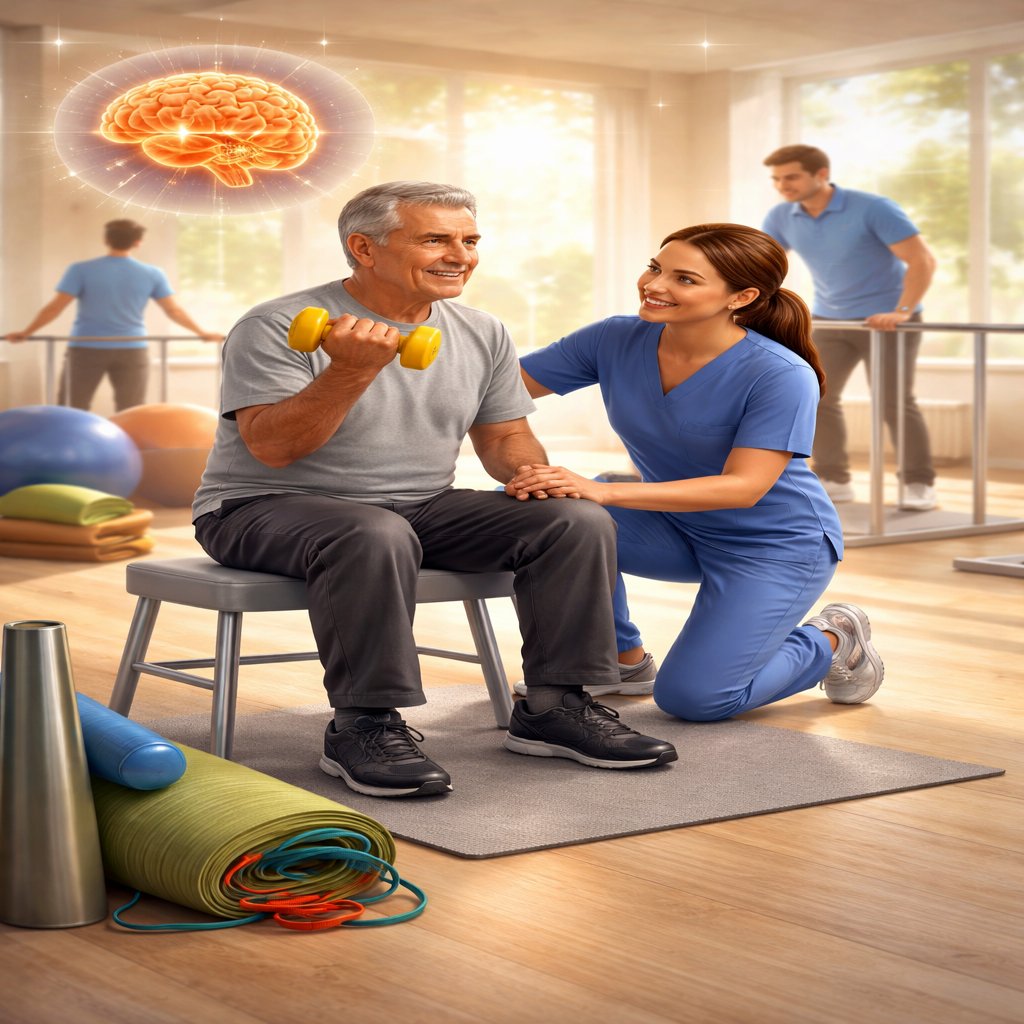
Exercises After a Stroke: Why They Are Important and How to Start Safely

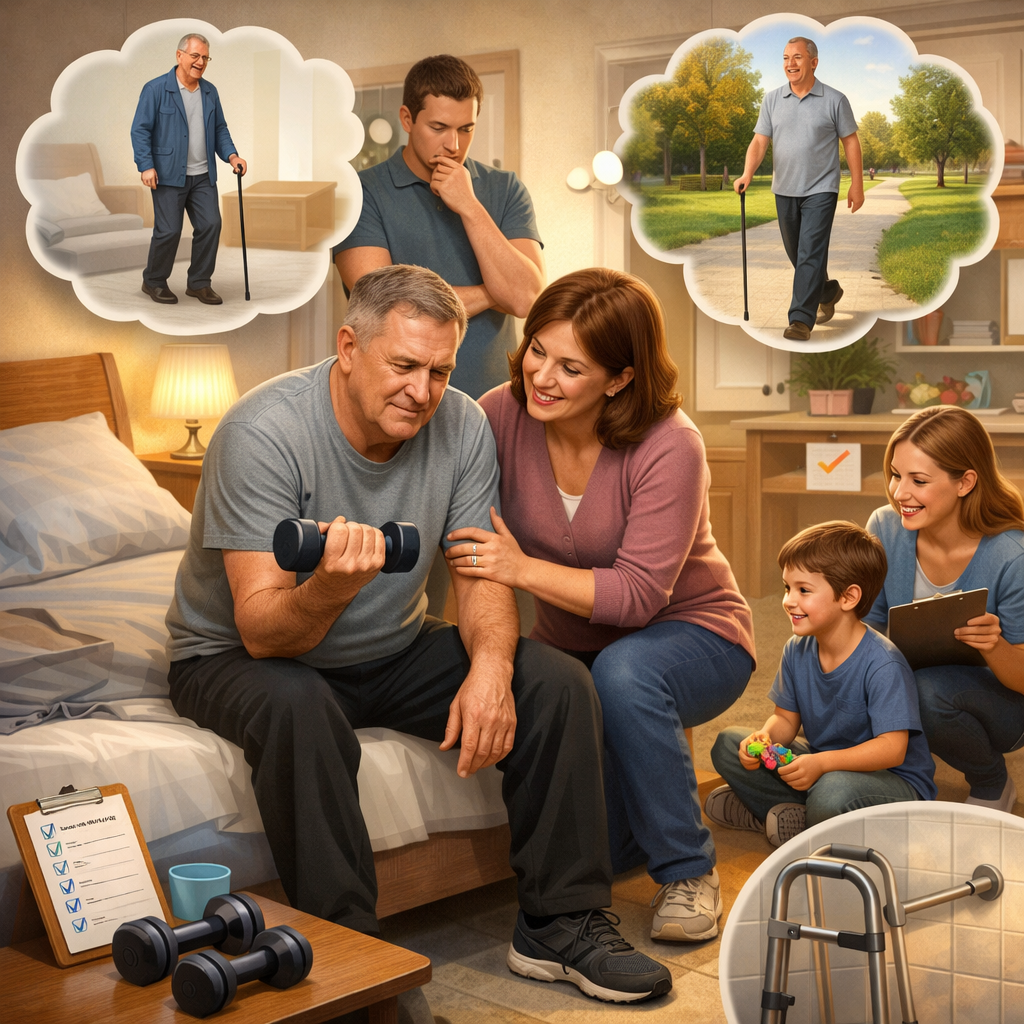
After a stroke, movement can be challenging. Weakness in the limbs, balance issues, or coordination problems are common. Nevertheless, exercise is one of the most important factors in recovery.

The brain responds to repeated movements by forming new neural connections. This process is the foundation of rehabilitation.

Why exercise is important

Exercise helps to:

  • restore movement
  • improve coordination
  • strengthen muscles
  • increase independence
  • support brain recovery

Consistency is more important than intensity.

How to start

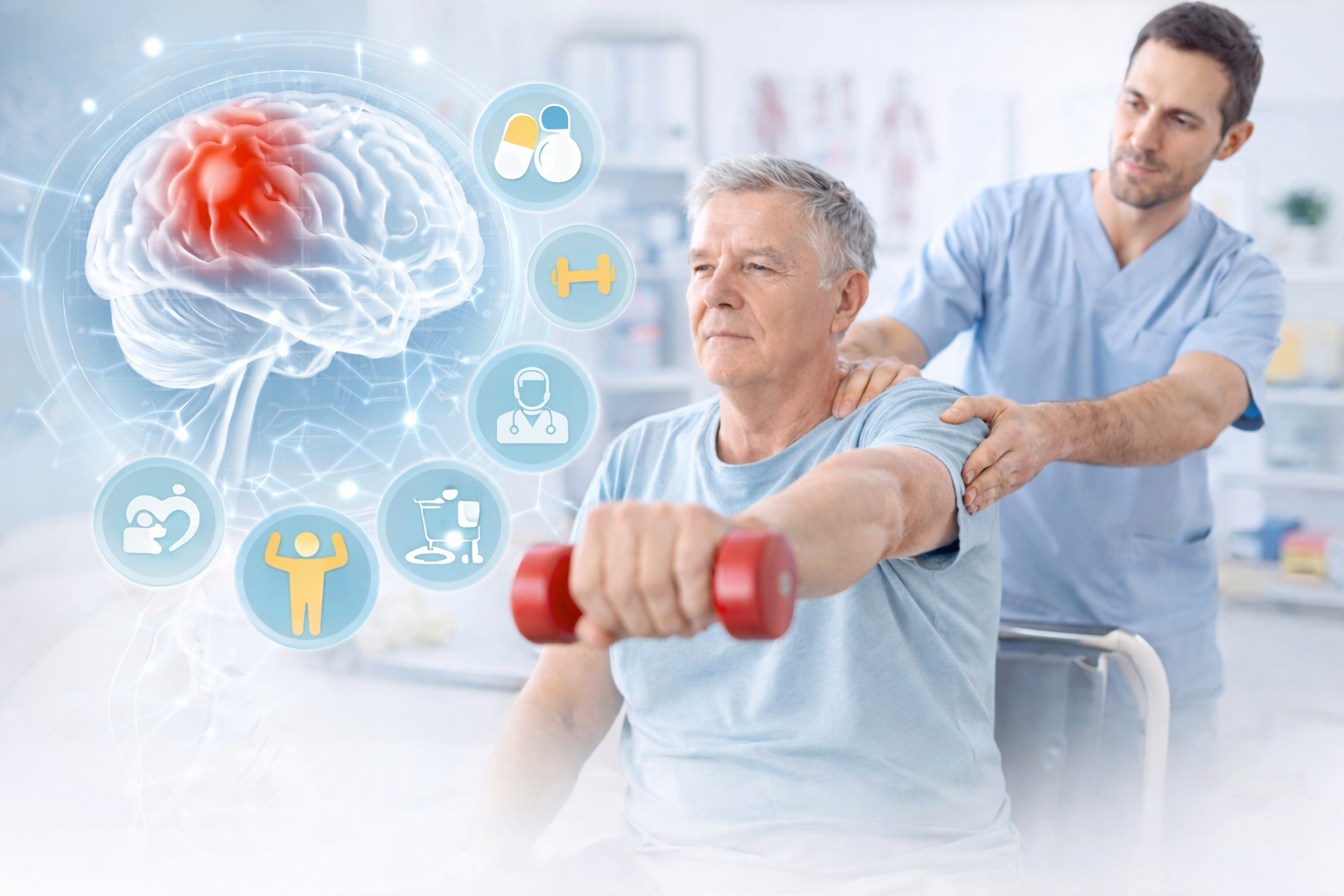
Exercise should be performed under professional supervision, especially at the beginning. A physiotherapist will design a suitable program based on the patient’s condition.

It is important to:

  • start slowly
  • exercise regularly
  • respect fatigue
  • avoid pain

Simple types of exercises

Common exercises include:

  • arm and leg movements
  • walking training
  • balance exercises
  • muscle strengthening
  • coordination training

Even small movements matter.

Mental exercise

Imagining movement can stimulate the brain even without physical movement. This technique is used in rehabilitation.

Motivation and progress

Progress may be slow, but consistency brings results. Setting small goals helps maintain motivation.

Supporting nervous system recovery

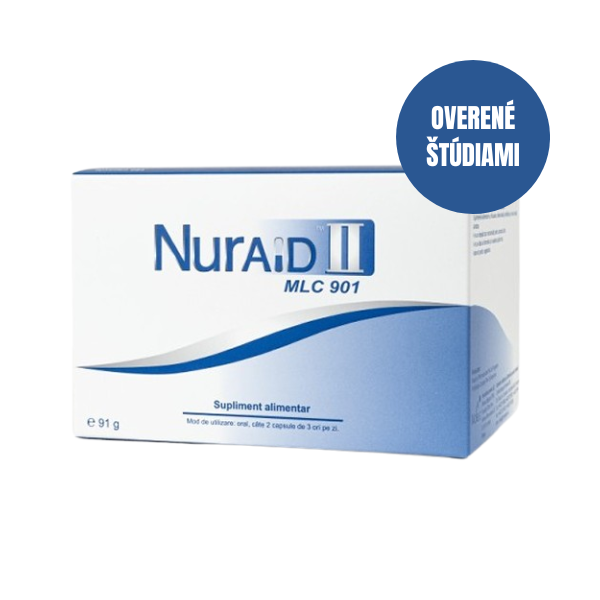
In addition to rehabilitation, research also focuses on ways to support brain recovery. NurAiD II™ is among clinically studied products aimed at supporting brain recovery after neurological damage, including stroke.

It is used as a supplement to rehabilitation and physician-recommended treatment.

Safety is important

Exercise should be safe. If dizziness or pain occurs, the activity should be stopped and a professional should be consulted.

Buy

Read article
What Helps After a Stroke: Factors That Support Recovery

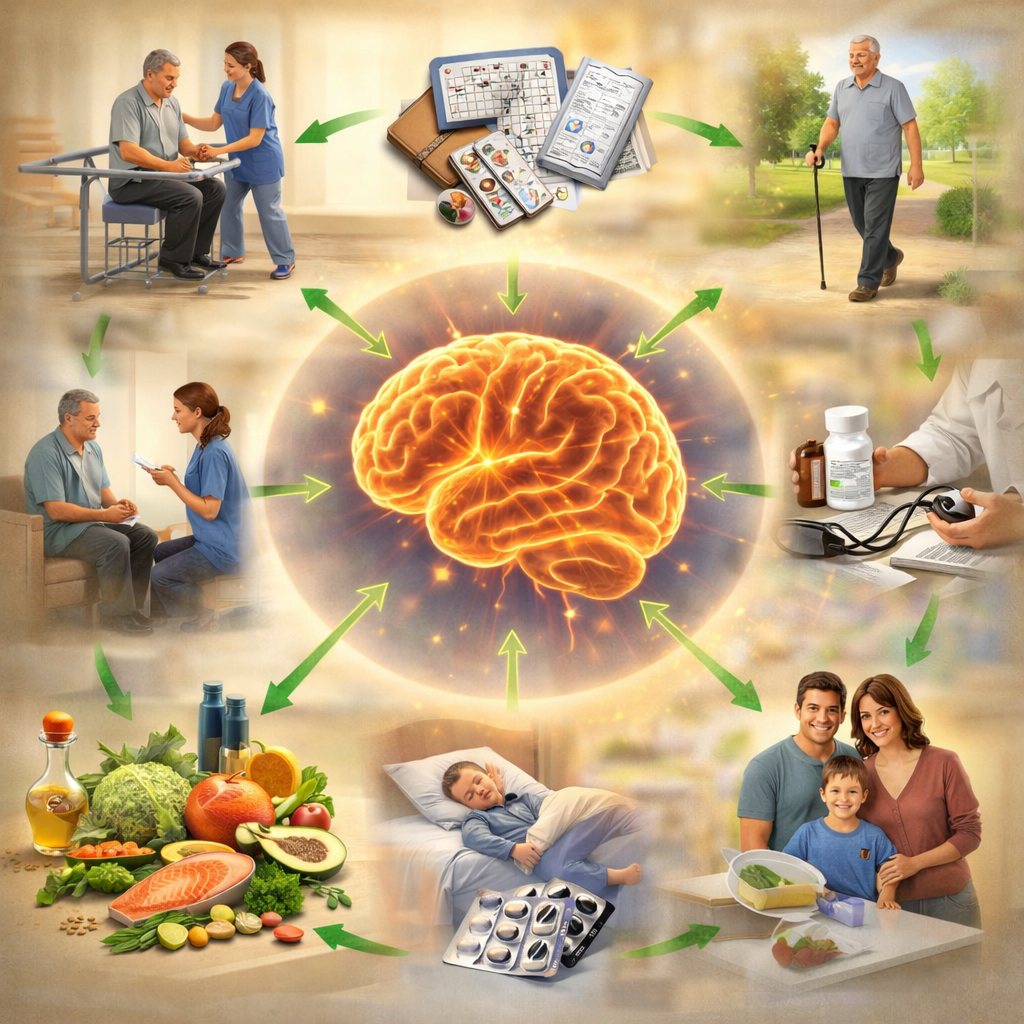
After a stroke, patients and their families often ask what can help improve health and support the return of functions. Recovery is a complex process that involves multiple factors.

The brain has the ability to regenerate and adapt. Appropriate measures can support this process.

Rehabilitation as the foundation

The most important factor in recovery is rehabilitation. Repeated movements stimulate the brain to create new connections and restore functions.

Rehabilitation includes:

  • physiotherapy
  • speech therapy
  • occupational therapy
  • balance training
  • mental exercises

Consistency is key.

Physical activity

Appropriate physical activity improves blood circulation and supports the regeneration of the nervous system. Even short walks or simple exercises are beneficial.

Mental stimulation

The brain needs stimulation. Helpful activities include:

  • reading
  • conversations
  • problem-solving
  • memory games

Mental activity supports neuroplasticity.

Sleep and rest

Quality sleep is essential for brain recovery. Fatigue after a stroke is normal and should be respected.

Diet and healthy lifestyle

A healthy diet supports overall health and recovery. It is recommended to include:

  • plenty of fruits and vegetables
  • healthy fats
  • high-quality proteins
  • reduced salt intake

Monitoring blood pressure and blood sugar is very important.

Psychological support

Patient motivation significantly influences rehabilitation outcomes. Family support and realistic goals help manage challenging periods.

Supporting brain recovery

Modern research also focuses on supporting the natural regeneration of the nervous system. Some products are being studied for their potential to support neuroplasticity.

NurAiD II™ is among clinically studied products aimed at supporting brain recovery after stroke and other neurological damage. It is used as a supplement to rehabilitation and physician-recommended treatment.

Combining factors brings results

The best outcomes come from combining multiple approaches. Recovery is a process that takes time, but progress is often possible.

Buy 

Read article
How to Help a Stroke Patient: Practical Advice for Family and Loved Ones

Stroke (Cerebrovascular Accident, CVA) does not only affect the patient but also their family. Loved ones often find themselves in a new situation filled with questions, concerns, and uncertainty. One of the most common questions is: How can we help?

The good news is that family support plays a very important role in the recovery process. Mental well-being, motivation, and regular rehabilitation can significantly influence the return of functions.

Patience is key

After a stroke, patients may experience frustration due to limitations, fatigue, or mood changes. Activities that were once simple may suddenly feel difficult.

Patience is essential. Progress is often gradual and not always consistent.

Supporting independence

Although it is natural to want to help, it is important to encourage the patient’s independence. Simple activities such as dressing, eating, or walking stimulate the brain and support recovery.

Help should be appropriate — not taking over all activities completely.

Motivation and encouragement

Motivation has a significant impact on rehabilitation. Encouragement and positive feedback help patients continue exercising even during challenging periods.

Setting small goals can be very effective.

Rehabilitation at home

Rehabilitation does not end after leaving a rehabilitation center. Home exercises are often crucial for further progress.

Family members can help by:

  • reminding the patient to exercise
  • assisting with movements
  • creating a safe environment

Psychological support

Depression or anxiety are relatively common after a stroke. Patients may experience fear of the future or a loss of control.

Conversations, understanding, and emotional support are very important. In some cases, a psychologist may help.

A safe home environment

Adjusting the home can reduce the risk of falls:

  • removing obstacles
  • using non-slip mats
  • installing bathroom handrails
  • ensuring adequate lighting

A safe environment increases the patient’s confidence.

Supporting brain recovery

The brain has the ability to adapt and form new neural connections. This process can be supported by rehabilitation, mental stimulation, and a healthy lifestyle.

Modern research also focuses on supporting nervous system recovery. NurAiD II™ is among clinically studied products aimed at supporting brain recovery after neurological damage, including stroke. It is used as a supplement to rehabilitation and treatment recommended by a physician.

Don’t forget about yourself

Caring for a patient can be demanding. Family members should not neglect their own health and rest.

Support from other family members or professionals can reduce the burden.

Hope and progress

Although the journey may be challenging, many patients experience gradual improvement. Family support is one of the most important factors for success.

Buy

Read article
Can the Brain Recover After a Stroke? Reality, Possibilities, and Hope

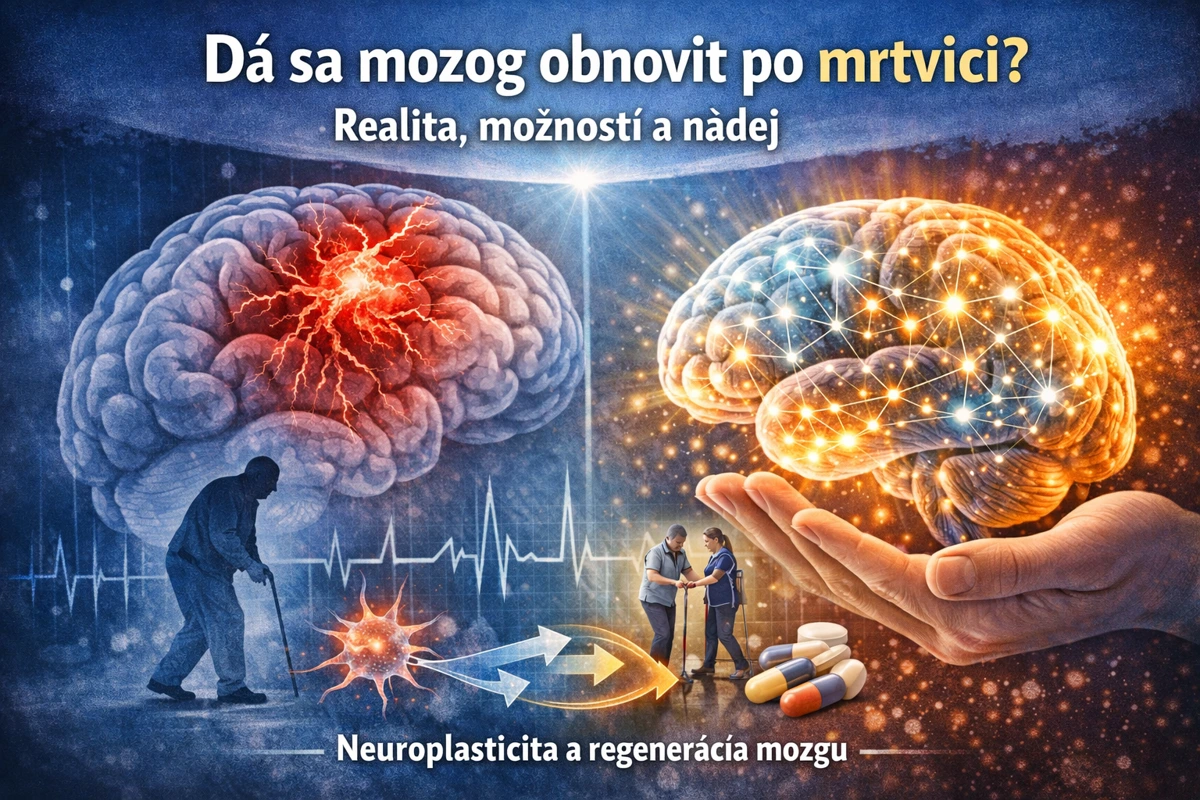
One of the most common questions after a stroke is: can the brain recover? The answer is not entirely simple, but modern medicine offers encouraging insights.

The brain has the ability to adapt and regenerate, allowing improvement of functions even after damage.

What Happens in the Brain After a Stroke

During a stroke, part of the brain tissue is damaged due to a lack of oxygen or bleeding. This may result in the loss of functions controlled by that area.

However, the brain can respond by reorganizing neural connections.

Neuroplasticity — The Brain’s Ability to Recover

Neuroplasticity enables:

  • formation of new neural connections
  • transfer of functions to other areas of the brain
  • improvement of coordination
  • recovery of abilities

This process is the foundation of rehabilitation.

Can Improvement Occur Even After Months?

Yes. Although the greatest improvement usually occurs early on, progress is still possible later.

The brain retains its ability to adapt throughout life.

Factors Influencing Brain Recovery

The most important factors include:

  • rehabilitation
  • physical activity
  • mental stimulation
  • psychological motivation
  • overall health condition
  • age

Family support also plays a significant role.

Supporting Nervous System Regeneration

Modern research is also exploring ways to support the brain’s natural regeneration through various mechanisms.

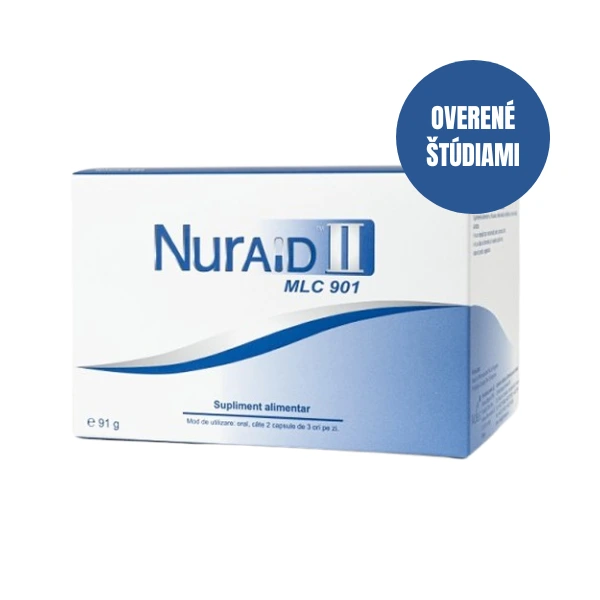
NurAiD II™ is among clinically studied products aimed at supporting brain regeneration and neurological recovery after stroke and other neurological injuries.

It is used as a complement to rehabilitation and treatment recommended by a physician.

Realistic Expectations

Full recovery may not always be possible, but improvement is often realistic. Even small gains can significantly improve quality of life.

It is important to continue rehabilitation and not give up.

Buy


Read article
Brain Regeneration After Stroke: What Science Says and What May Help

Stroke is one of the most common causes of neurological damage. Damage to brain tissue can affect movement, speech, memory, and thinking. Many patients therefore wonder whether brain regeneration is possible at all.

Modern medicine confirms that the brain has the ability to regenerate and adapt. This process is known as neuroplasticity.

What Is Neuroplasticity

Neuroplasticity is the brain’s ability to create new neural connections and reorganize its functions after damage. This means that healthy areas of the brain may partially take over the functions of damaged regions.

This mechanism is the foundation of recovery after a stroke.

When Regeneration Is Most Active

The most intensive regeneration occurs during the first months after a stroke. During this period, the brain has the greatest capacity for adaptation.

However, improvement can continue even later.

Factors That Support Brain Regeneration

Brain regeneration can be supported in several ways:

• rehabilitation
• physical activity
• mental stimulation
• quality sleep
• healthy nutrition
• control of risk factors

Combining multiple approaches often provides the best results.

The Importance of Rehabilitation

Rehabilitation provides the brain with the stimulation needed to form new neural connections. Repeated movements and training support the reorganization of brain functions.

Research on Supporting Brain Regeneration

Scientific research is also exploring ways to support the natural regenerative processes of the nervous system through various compounds and mechanisms.

NurAiD II™ (MLC901) is among the clinically studied formulations aimed at supporting brain regeneration after neurological damage, including stroke. Its multimodal mechanism of action has been the subject of scientific research.

It is used as a complement to rehabilitation and physician-recommended treatment.

Hope for Patients

Although complete recovery may not always be possible, improvement is often achievable. The brain retains the ability to adapt even after damage.

Progress may be gradual, but it can be significant.

Buy

Read article
How to Recover After a Stroke: Practical Tips for Patients and Families

A stroke, also known as a cerebrovascular accident (CVA), is an event that can significantly change a person’s life. After the acute phase of treatment, patients and their families often ask how recovery can be supported and what can be done to help restore lost functions.

Recovery after a stroke is a process that requires time, patience, and cooperation among several healthcare professionals. The good news is that the brain has the ability to regenerate and adapt.

Every Recovery Is Individual

Some patients experience significant improvement within weeks, while others may need months or even years. The difference depends mainly on:

• the extent of brain damage
• the patient’s age
• overall health condition
• how quickly treatment was provided
• consistency of rehabilitation

Comparing recovery with other patients is therefore not helpful.

Rehabilitation Is Essential

The most important factor in recovery is rehabilitation. Repeated movements and training help the brain form new neural connections and restore lost functions.

Rehabilitation may include:

• physiotherapy
• speech therapy
• occupational therapy
• balance training
• cognitive exercises

Regular and long-term practice is essential.

The Importance of Daily Activity

Even simple activities are meaningful. Dressing, walking, eating, or communicating stimulate the brain and support neuroplasticity.

Even small improvements represent success.

Psychological Well-Being and Motivation

A patient’s mental state significantly influences recovery. Depression or frustration are relatively common after a stroke.

Support from family, encouragement, and realistic goals help maintain motivation.

Sleep and Brain Recovery

Quality sleep is essential for brain recovery. During sleep, important processes of neural repair take place.

Fatigue after a stroke is common and should be respected.

Diet and Lifestyle

A healthy diet supports the regeneration of both the body and the brain. It is recommended to include:

• plenty of fruits and vegetables
• high-quality proteins
• healthy fats
• reduced intake of salt and sugar

Moderate physical activity supports blood circulation and recovery.

Supporting Brain Regeneration

Modern research is also focusing on ways to support the brain’s natural regenerative processes. Some formulations are being studied for their potential to support neuroplasticity.

NurAiD II™ is among the clinically studied formulations aimed at supporting brain regeneration and neurological recovery after stroke. It is used as a complement to rehabilitation and physician-recommended treatment.

Patience Brings Results

Recovery after a stroke is gradual. Progress may be slow, but it is often real. The brain has a greater capacity for regeneration than many people realize.

Buy

Read article
Stroke Effects: What to Expect and Possibilities for Improvement

A stroke can affect various body functions depending on which part of the brain has been damaged. Therefore, the consequences vary from patient to patient.
For many people, it is important to understand what to expect and whether improvement is possible.

Most Common Stroke Effects

The most common include:

  • weakness or paralysis of limbs

  • walking difficulties

  • balance problems

  • speech disorders

  • memory and concentration problems

  • fatigue

  • mood or behavioral changes

Some effects may be more pronounced on one side of the body.

Improvement Is Possible

The brain has the ability to adapt and regenerate. This process allows gradual improvement of functions.
The greatest improvement is often observed during the first months, but progress is possible later as well.

Importance of Rehabilitation

Rehabilitation helps restore functions and increase patient independence. Repetitive movements stimulate the brain to create new neural connections.

Psychological Effects

Depression, anxiety, and mood changes are relatively common. Psychological support and family understanding are very important.

Supporting Brain Regeneration

In addition to rehabilitation, research also focuses on ways to support the nervous system’s natural regenerative processes.

NurAiD II™ is among clinically studied products aimed at supporting brain regeneration after neurological damage, including stroke. It is used as an adjunct to treatment and rehabilitation.

Hope for the Future

Although stroke can bring life changes, many patients experience gradual improvement. The brain has greater regenerative potential than many people realize.

Buy

Read article
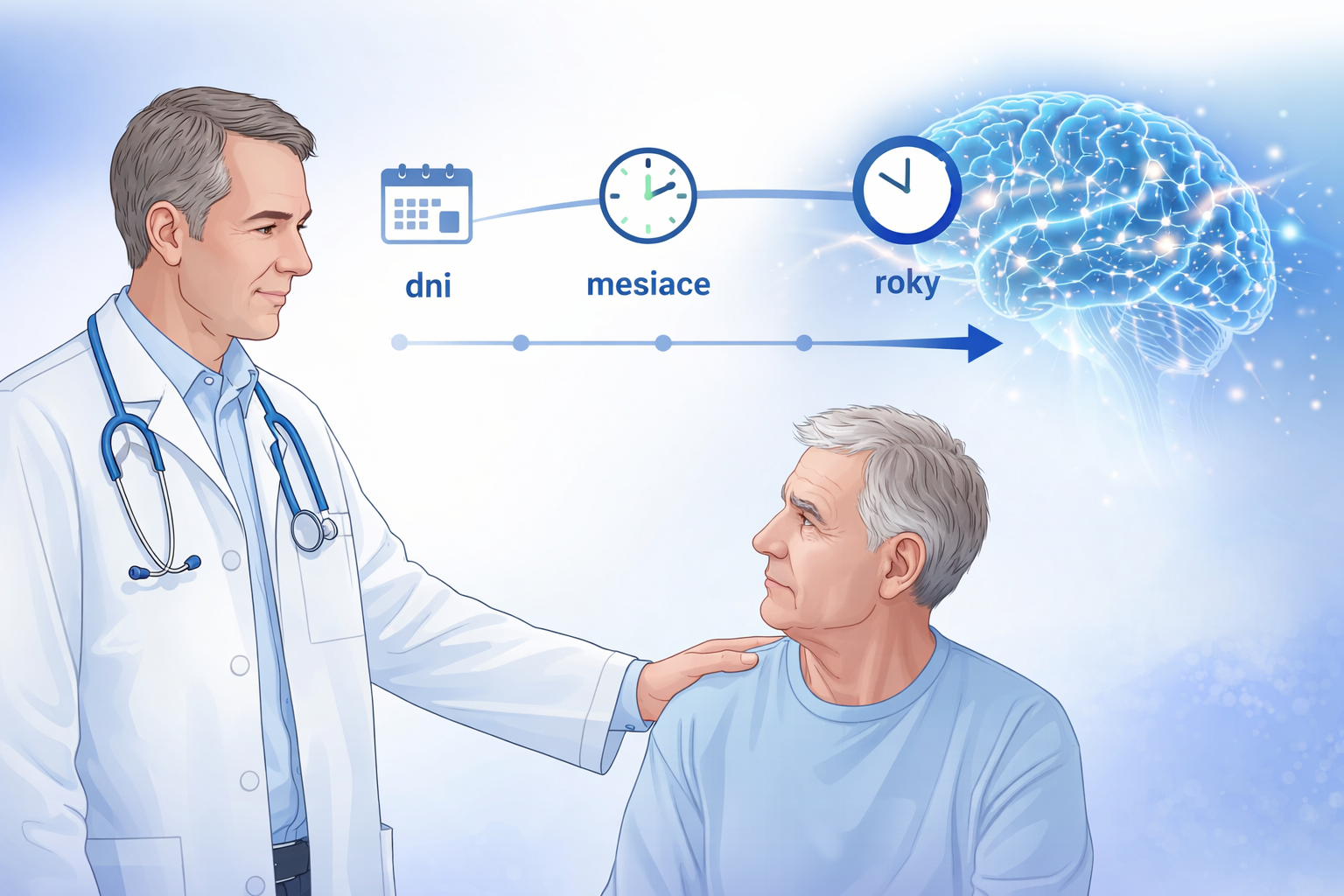
How Long Does Stroke Recovery Take: What Influences Healing

One of the most common questions patients and their families ask after a stroke is: how long will recovery take? The answer is not simple, because every patient is different. Recovery depends on many factors and may take months or even years.

The good news is that improvement is often possible even after a longer period.

Phases of Stroke Treatment

Recovery after a stroke usually occurs in several stages.

Acute phase
This takes place in the hospital during the first days. The goal is to stabilize the patient’s condition and minimize brain damage.

Rehabilitation phase
This begins shortly after stabilization and includes physiotherapy, speech therapy, and other therapeutic approaches.

Long-term recovery
This may last months or years as the brain continues to adapt and regenerate.

Factors Influencing Recovery Time

The most important factors include:

  • extent of brain damage

  • patient age

  • overall health condition

  • speed of medical treatment

  • consistency of rehabilitation

  • patient motivation

Family support also plays a significant role.

Neuroplasticity and Time

The brain has the ability to reorganize functions and create new neural connections. This process is most intensive during the first months but continues later as well.

This is why long-term rehabilitation remains important.

Supporting Nervous System Regeneration

Modern research also focuses on ways to support the brain’s natural regenerative processes.

NurAiD II™ is among clinically studied products aimed at supporting brain regeneration and neurological recovery after stroke. It is used as an adjunct to treatment and rehabilitation.

Realistic Expectations

Some patients return to normal life more quickly, while others need more time. Even small improvements represent meaningful progress.

The key is not to give up and to continue therapy.

Buy

Read article
Immune Support in HPV Infection: What Role Do Products Designed for This Condition Play?

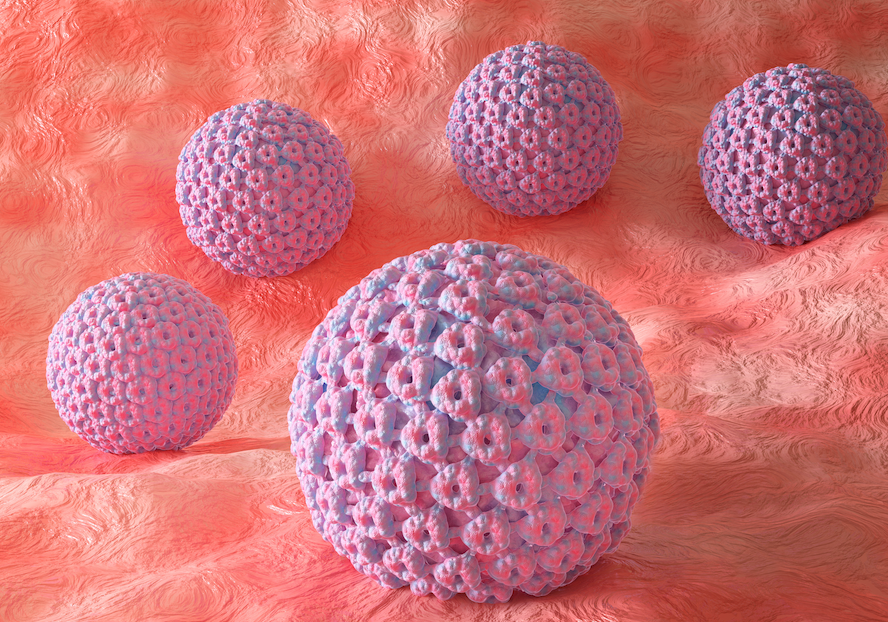
Human papillomavirus (HPV) infection is one of the most common sexually transmitted infections. There are approximately 200 types of the virus. Some can cause cancer or genital warts; however, not all are transmitted through sexual intercourse — transmission can also occur through contact of mucous membranes and skin. During their lifetime, up to 80% of people will encounter an HPV infection. Persistent infections, particularly high-risk HPV types, may lead to serious health complications, including cervical cancer. Unfortunately, there is no cure for HPV, which is why strengthening the immune system is crucial in the prevention and management of HPV infection. Diseases caused by the feared HPV virus are important to detect and treat early. (3)

The Role of Immunity in HPV Infection

The immune system plays a decisive role in eliminating HPV infection. A strong and effective immune response can prevent the infection from progressing to a chronic stage. Conversely, weakened immunity may allow the virus to persist and increase the risk of developing precancerous lesions and cancer. Factors such as stress, smoking, lack of sleep, and an unbalanced diet can negatively affect the body’s immune response. Therefore, it is important to maintain a healthy lifestyle and, when necessary, support the immune system with appropriate dietary supplements. (5)

Products for the Prevention and Treatment of HPV-Related Lesions

There are many dietary supplements and natural products available on the market that claim to support the immune system in the fight against HPV.

Vitamins

Folic acid, vitamin B12, and vitamin D are important for the proper functioning of the immune system. Deficiency of these vitamins may weaken the immune response to HPV. Higher plasma levels of folic acid may reduce the risk of HPV infection by up to 73%. (4)

AHCC

AHCC is an extract from the mycelia of the shiitake mushroom, used in Japan to support immunity. Studies suggest that it may help the body eliminate high-risk HPV types. Several additional studies in animals and humans have demonstrated various therapeutic effects, including enhanced antioxidant effects, anticancer activity, and modulation of the immune system to prevent infectious processes caused by both viral and bacterial infections. (5)

EGCG (Epigallocatechin gallate)

This is a highly concentrated and potent antioxidant found in green tea. Studies show that it may help prevent persistent HPV infections and support cervical health. This natural molecule, known for its antioxidant, anti-inflammatory, and antitumor activity, may prevent cancer progression and strengthen innate antiviral immunity against HPV. (4)

Iside HPV

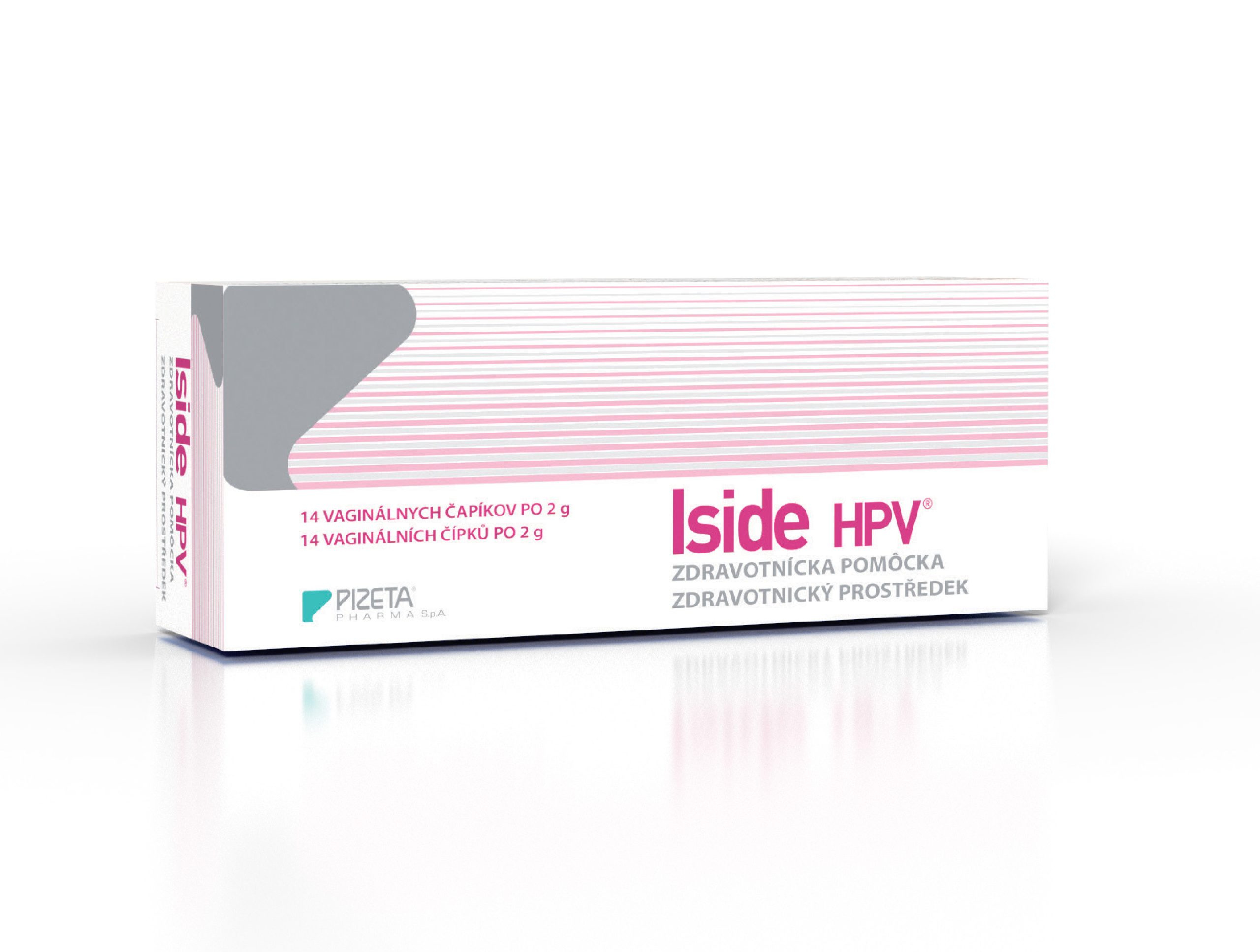
A medical device, Iside HPV, has been specifically developed for the prevention and treatment of lesions caused by HPV. These are vaginal suppositories intended to support the health of the cervix and vaginal mucosa, particularly in women with HPV infection. Its formulation is designed to support the body’s natural defense mechanisms and contribute to mucosal regeneration. (1)

Iside HPV contains a combination of natural substances with a synergistic effect:

PrincipHYAL® (full-spectrum sodium hyaluronate): supports mucosal regeneration and hydration, improves elasticity and healing.
Lactic acid and citric acid: help maintain the natural acidic pH of the vaginal environment, creating unfavorable conditions for the spread of pathogenic microorganisms, including HPV.
Arabinogalactan: a polysaccharide fiber with a prebiotic effect, meaning it supports the growth of lactobacilli, which are part of the vaginal environment.
Zinc citrate: a source of zinc that activates T-lymphocyte-mediated immune response and reduces the risk of long-term HPV infection. (1)

Together, these components contribute to the restoration and protection of the vaginal mucosa, formation of a protective intravaginal film, prevention of HPV penetration and integration, support of cervical re-epithelialization, and improvement of lesion healing. (2)

Recommended dosage: One suppository daily for 14 consecutive days starting after the end of menstruation, repeated for 3 months. (2)

Supporting the immune system is key in managing HPV infection. Dietary supplements and products such as Iside HPV may be helpful, but they should be part of a comprehensive approach that includes a healthy lifestyle, regular medical check-ups, and consultation with healthcare professionals. Before starting any dietary supplements or products, it is important to consult a physician or pharmacist.

List of References:


The Association of Four Natural Molecules—EGCG, Folic Acid, Vitamin B12, and HA—To Counteract HPV Cervical Lesions: A Case Report (https://pmc.ncbi.nlm.nih.gov/articles/PMC10051187/)
New Phase II Clinical Trial Suggests that Mushroom-Derived AHCC Is Effective at Clearing Persistent HPV Infections (https://hpvca.org/ahcc-shown-to-clear-hpv-infections/)

Buy
Read article

Listing controls

9 items total