Exercises After a Stroke: Why They Are Important and How to Start Safely
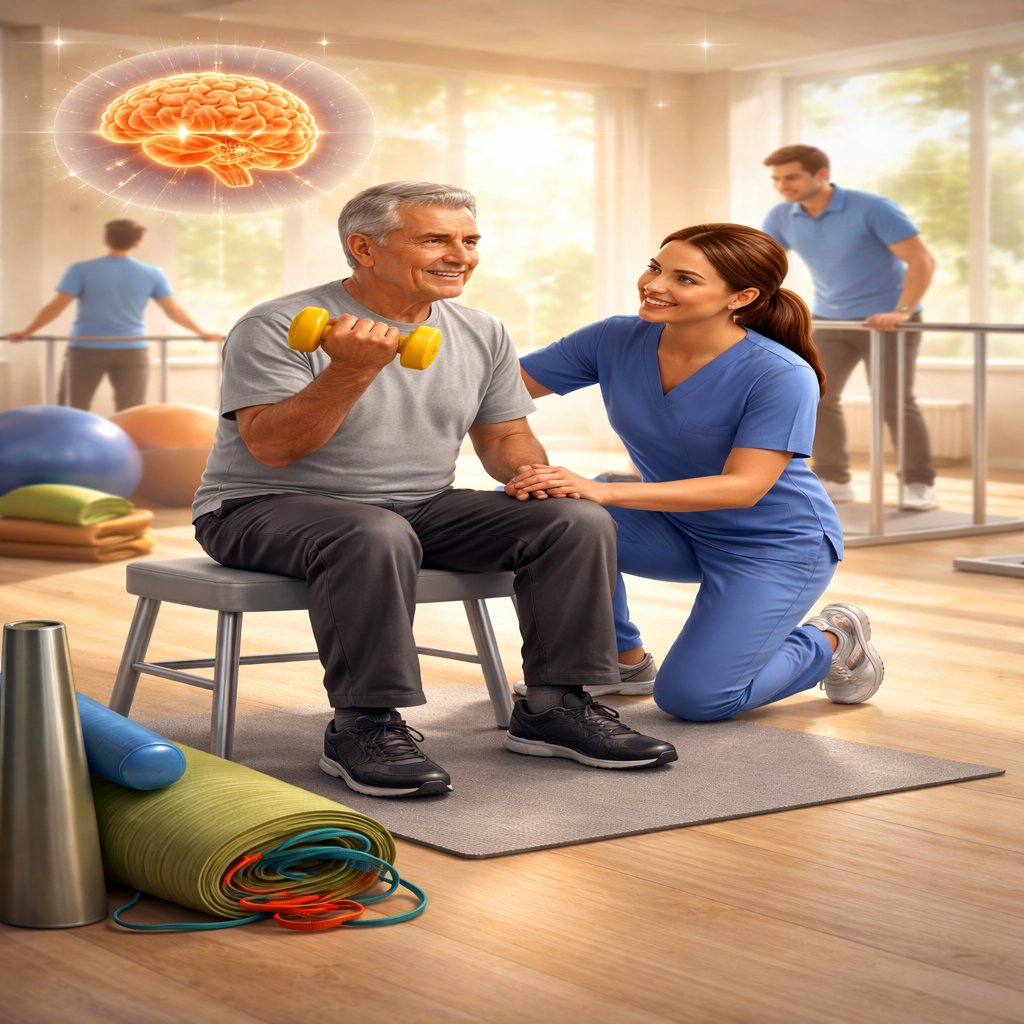
After a stroke, movement can be challenging. Weakness in the limbs, balance issues, or coordination problems are common. Nevertheless, exercise is one of the most important factors in recovery.
The brain responds to repeated movements by forming new neural connections. This process is the foundation of rehabilitation.
Why exercise is important
Exercise helps to:
- restore movement
- improve coordination
- strengthen muscles
- increase independence
- support brain recovery
Consistency is more important than intensity.
How to start
Exercise should be performed under professional supervision, especially at the beginning. A physiotherapist will design a suitable program based on the patient’s condition.
It is important to:
- start slowly
- exercise regularly
- respect fatigue
- avoid pain
Simple types of exercises
Common exercises include:
- arm and leg movements
- walking training
- balance exercises
- muscle strengthening
- coordination training
Even small movements matter.
Mental exercise
Imagining movement can stimulate the brain even without physical movement. This technique is used in rehabilitation.
Motivation and progress
Progress may be slow, but consistency brings results. Setting small goals helps maintain motivation.
Supporting nervous system recovery
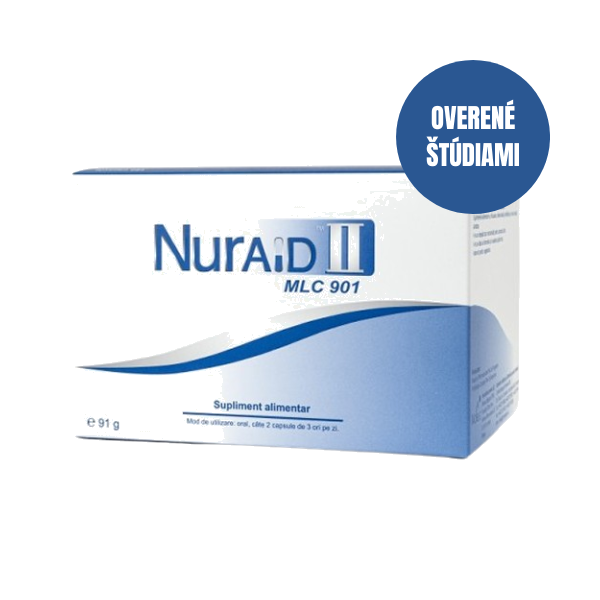
In addition to rehabilitation, research also focuses on ways to support brain recovery. NurAiD II™ is among clinically studied products aimed at supporting brain recovery after neurological damage, including stroke.
It is used as a supplement to rehabilitation and physician-recommended treatment.
Safety is important
Exercise should be safe. If dizziness or pain occurs, the activity should be stopped and a professional should be consulted.