Can the Brain Recover After a Stroke? Reality, Possibilities, and Hope
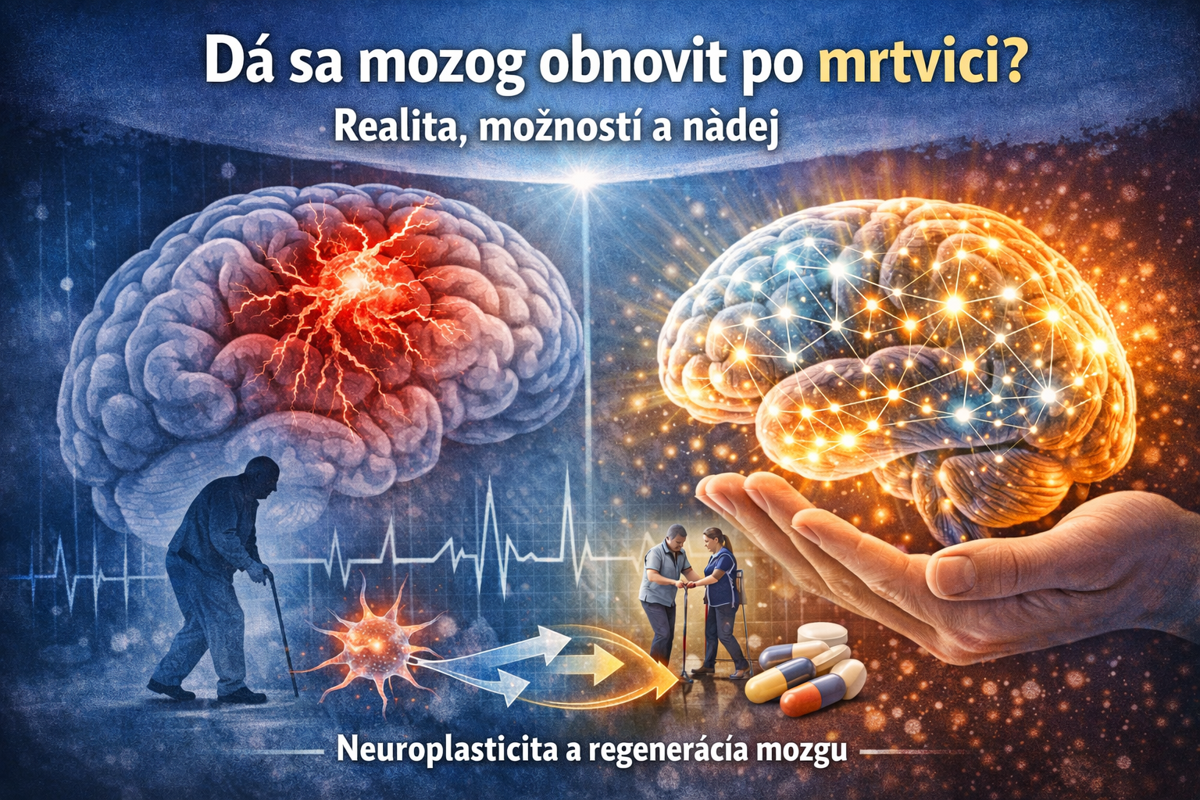
One of the most common questions after a stroke is: can the brain recover? The answer is not entirely simple, but modern medicine offers encouraging insights.
The brain has the ability to adapt and regenerate, allowing improvement of functions even after damage.
What Happens in the Brain After a Stroke
During a stroke, part of the brain tissue is damaged due to a lack of oxygen or bleeding. This may result in the loss of functions controlled by that area.
However, the brain can respond by reorganizing neural connections.
Neuroplasticity — The Brain’s Ability to Recover
Neuroplasticity enables:
- formation of new neural connections
- transfer of functions to other areas of the brain
- improvement of coordination
- recovery of abilities
This process is the foundation of rehabilitation.
Can Improvement Occur Even After Months?
Yes. Although the greatest improvement usually occurs early on, progress is still possible later.
The brain retains its ability to adapt throughout life.
Factors Influencing Brain Recovery
The most important factors include:
- rehabilitation
- physical activity
- mental stimulation
- psychological motivation
- overall health condition
- age
Family support also plays a significant role.
Supporting Nervous System Regeneration
Modern research is also exploring ways to support the brain’s natural regeneration through various mechanisms.
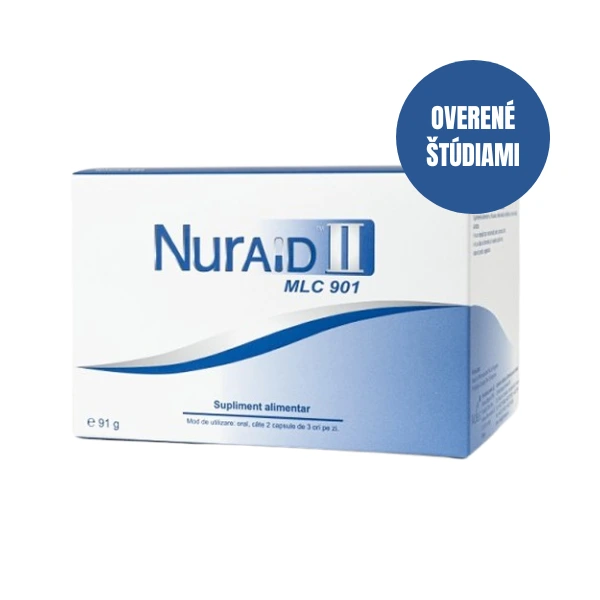
NurAiD II™ is among clinically studied products aimed at supporting brain regeneration and neurological recovery after stroke and other neurological injuries.
It is used as a complement to rehabilitation and treatment recommended by a physician.
Realistic Expectations
Full recovery may not always be possible, but improvement is often realistic. Even small gains can significantly improve quality of life.
It is important to continue rehabilitation and not give up.