Brain Regeneration After Stroke: What Science Says and What May Help
Stroke is one of the most common causes of neurological damage. Damage to brain tissue can affect movement, speech, memory, and thinking. Many patients therefore wonder whether brain regeneration is possible at all.
Modern medicine confirms that the brain has the ability to regenerate and adapt. This process is known as neuroplasticity.
What Is Neuroplasticity
Neuroplasticity is the brain’s ability to create new neural connections and reorganize its functions after damage. This means that healthy areas of the brain may partially take over the functions of damaged regions.
This mechanism is the foundation of recovery after a stroke.
When Regeneration Is Most Active
The most intensive regeneration occurs during the first months after a stroke. During this period, the brain has the greatest capacity for adaptation.
However, improvement can continue even later.
Factors That Support Brain Regeneration
Brain regeneration can be supported in several ways:
• rehabilitation
• physical activity
• mental stimulation
• quality sleep
• healthy nutrition
• control of risk factors
Combining multiple approaches often provides the best results.
The Importance of Rehabilitation
Rehabilitation provides the brain with the stimulation needed to form new neural connections. Repeated movements and training support the reorganization of brain functions.
Research on Supporting Brain Regeneration
Scientific research is also exploring ways to support the natural regenerative processes of the nervous system through various compounds and mechanisms.
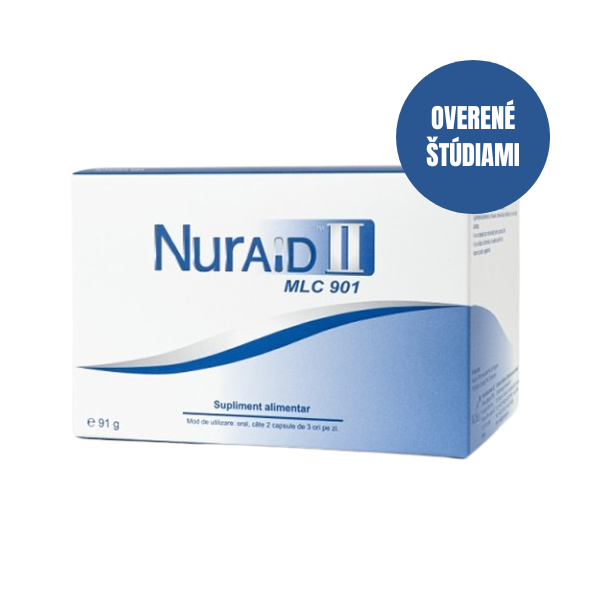
NurAiD II™ (MLC901) is among the clinically studied formulations aimed at supporting brain regeneration after neurological damage, including stroke. Its multimodal mechanism of action has been the subject of scientific research.
It is used as a complement to rehabilitation and physician-recommended treatment.
Hope for Patients
Although complete recovery may not always be possible, improvement is often achievable. The brain retains the ability to adapt even after damage.
Progress may be gradual, but it can be significant.